
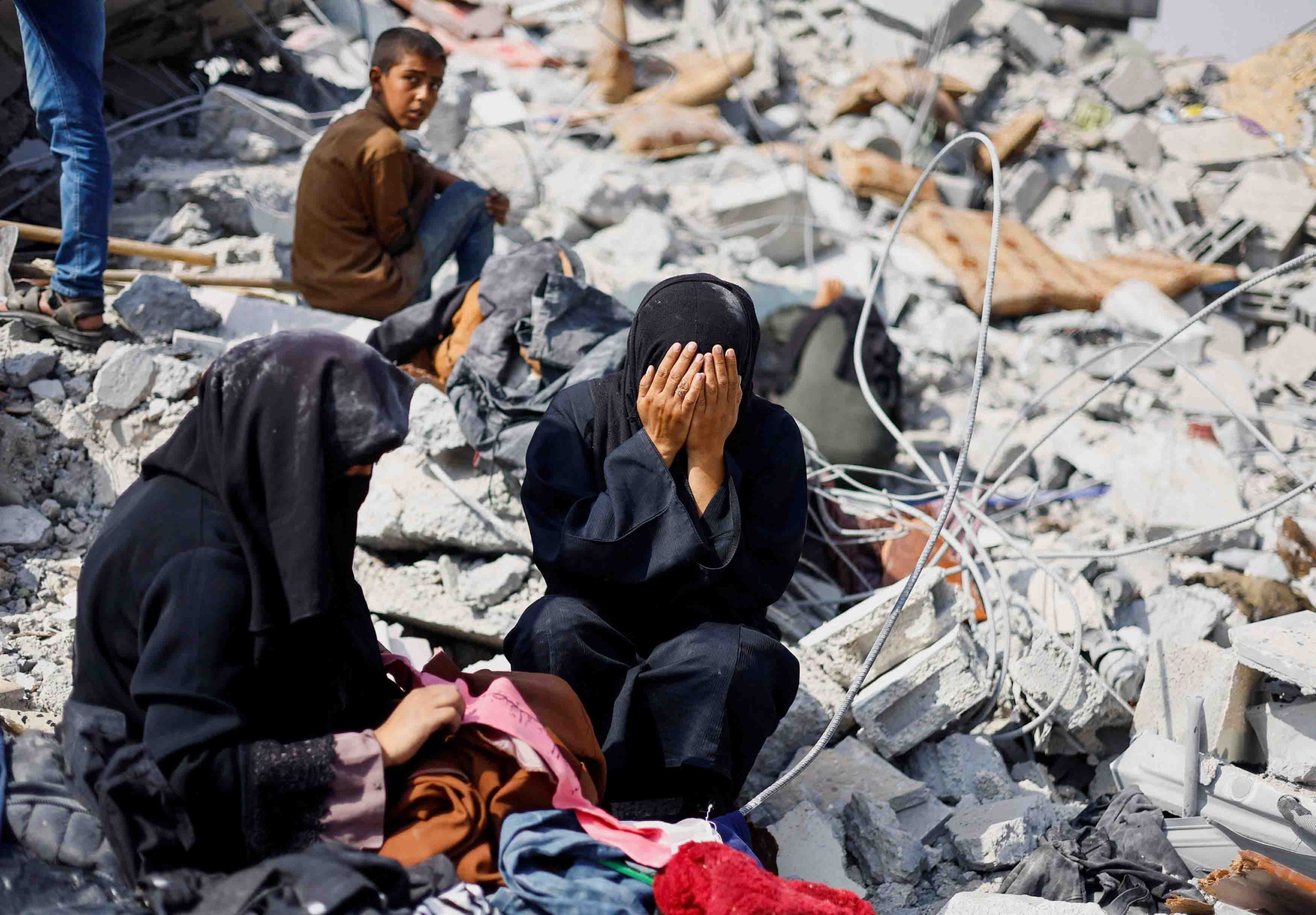
The Middle East is caught in a deceptive quiet. To the casual observer, the current pause in the 2026 U.S.–Iran War—under an indefinitely extended ceasefire originally brokered by Pakistan in early April—presents a glimmer of hope. But a deeper look into the geopolitical landscape reveals a harsher reality: this is not the preamble to peace. It is the tactical regrouping of an unresolved, highly volatile global conflict.

The war began with a massive shock on February 28, 2026, when joint U.S. and Israeli airstrikes under Operation Epic Fury decapitated the core of the Iranian leadership, killing Supreme Leader Ali Khamenei. While Washington initially declared the war “complete,” the subsequent months have shown that shattering a regime’s high command is vastly different from extinguishing its capacity to wage asymmetrical warfare.
The critical question now facing the global community is straightforward: What is the real situation on the ground today, and will this war end soon?
1. The Current Situation: War by Other Means
The conflict has transformed from active aerial bombardments into a high-stakes diplomatic and economic siege.
- The Stalemate of Reconstitution: U.S. intelligence indicates that despite taking heavy losses, Iran’s defense industrial base is recovering with alarming speed. Supported covertly by Russia and China, Tehran still retains roughly 50% of its drone capabilities and two-thirds of its buried ballistic missile launchers. The ceasefire has not ended the war; it has given Iran the breathing room to dig out its arsenal.
- The Chokepoint Protection Racket: The primary battlefield has shifted to the Strait of Hormuz. Having closed the strait during the initial flare-up—which triggered a massive global energy and inflation shock—Iran is now attempting to normalize permanent territorial control over it. Tehran is enforcing a multi-tiered “toll system,” demanding up to $150,000 from ships passing through, favoring strategic allies like Beijing and Moscow, and completely denying access to adversaries.
- The Proxy Friction: While a fragile truce holds between Washington and Tehran, the regional architecture is fraying. Israel and Lebanese Hezbollah are locked in protracted, bloody engagements in southern Lebanon, proving that the “Axis of Resistance” remains operational despite the loss of Khamenei.
2. The Two Non-Negotiable Sticking Points
The reason mediation efforts by Pakistan, Qatar, and Saudi Arabia are yielding only “slight progress” comes down to two absolute red lines where neither side can afford to blink.
| The Sticking Point | The United States & Israel Position | The Iranian Position |
| The Nuclear File | Demand that Iran completely surrender and export its entire stockpile of Highly Enriched Uranium (HEU) abroad. | Under a strict directive from the new leadership (Mojtaba Khamenei), Iran refuses to move its HEU, viewing it as the ultimate deterrent against regime change. |
| Sovereignty of Hormuz | Demand the immediate, unconditional opening of the Strait under international maritime freedom laws. | Demands formal, recognized control over the Strait as a sovereign tollway, using global oil flow as maximum leverage. |
3. Will It End Soon? The Short Answer is No.
A permanent peace agreement requires mutual concession, but the domestic political costs for both sides make compromise nearly impossible.
For U.S. President Donald Trump, anything less than what he previously termed “unconditional surrender” or a major nuclear concession will be framed domestically as a failure, especially as U.S. Marines continue to board and seize sanctioned Iranian tankers globally. For Iran’s Islamic Revolutionary Guard Corps (IRGC), agreeing to U.S. terms would mean the total capitulation of the Islamic Republic’s founding ideology. In fact, the IRGC recently threatened to expand the war “far beyond the region” via international terrorism and long-range strikes if U.S.-Israeli bombings resume.
The current pause in the West Asian theater is an optical illusion, not an omen of peace. By treating the symptoms of conflict through a fragile ceasefire rather than addressing the structural, nuclear, and maritime realities in the Strait of Hormuz, the global community is merely underwriting a period of aggressive re-armament.
For the world, this frozen conflict guarantees sustained economic whiplash—manifesting as volatile oil benchmarks and permanently disrupted trade routes. For India, the stakes are uniquely perilous. As the self-declared ‘Pharmacy of the World,’ our critical pharmaceutical supply chains and active pharmaceutical ingredient (API) lifelines are already under severe inflationary siege. India can no longer afford to view this as a distant regional skirmish; it is a direct threat to our domestic economic stability, our energy security, and our strategic ambitions on the global map. Peace will remain elusive until both Washington and Tehran realize that unilateral red lines only pave the path to collective economic ruin.
We are not witnessing the end of a war; we are witnessing the birth of a frozen conflict that can re-ignite into regional oblivion at any moment. As long as Iran uses the truce to rebuild its missile capabilities and weaponize the world’s most critical oil transit route, the underlying fuse remains lit.
Do not be deceived by diplomatic optimism or “slight progress” reported in Tehran or Islamabad. The structural grievances that triggered Operation Epic Fury remain completely unresolved. Expect a protracted, tense, and shadow-laden stalemate where a single miscalculation in the Persian Gulf will bring the bombers back to the skies.


